"Failure Is Impossible!": Women's Suffrage and the Journey to the Nineteenth Amendment
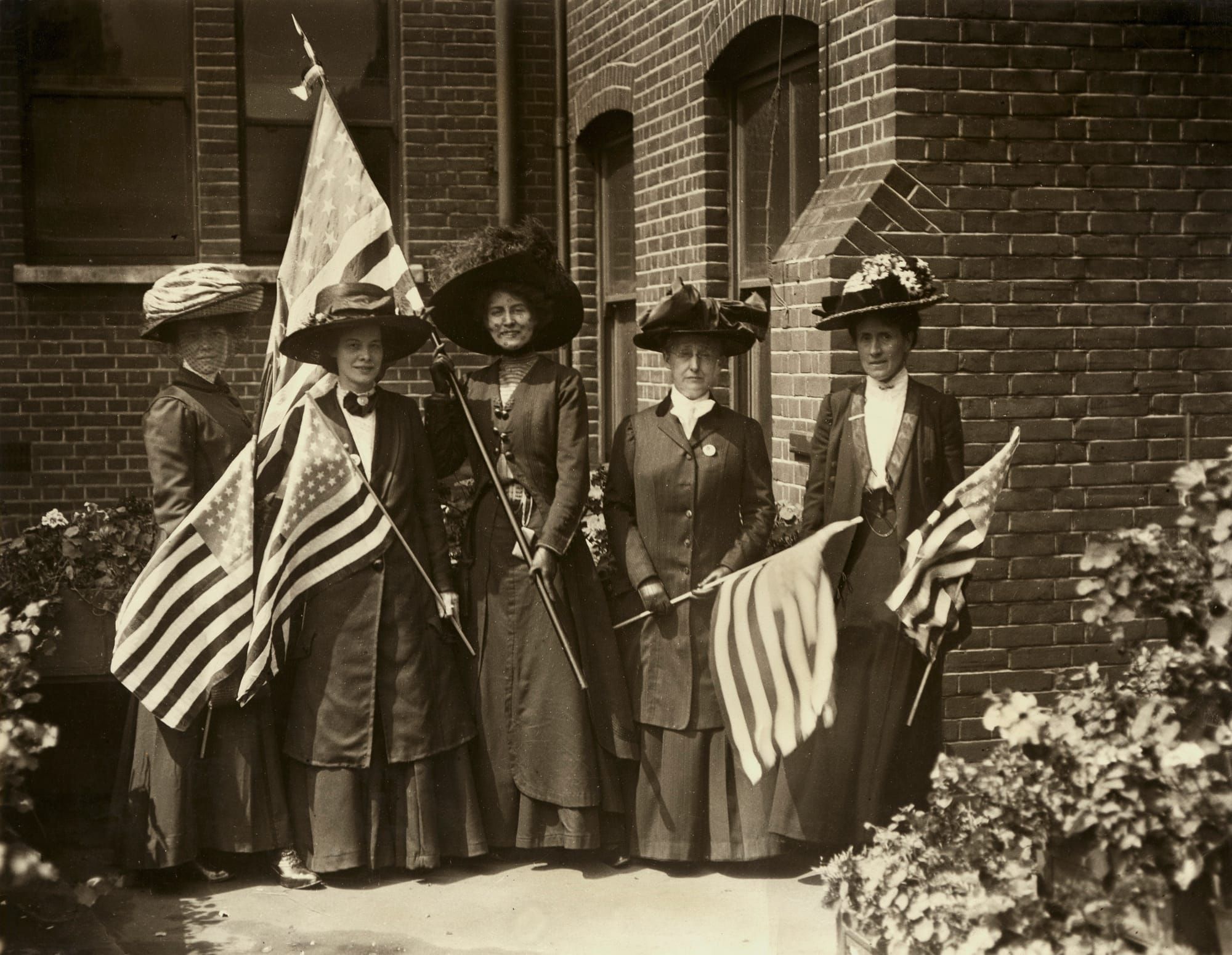
July 19th, 1848, was hot.
The unforgiving summer heat focused its attention on the Wesleyan Chapel in Seneca Falls, New York. The low murmur of voices – all women – echoed throughout the church, as the site of the first convention on women’s rights in the United States was packed with people. Originally conceived as a women-only convention, "the public" were allowed entryonly on the second day of proceedings. The first day belonged to the women who attended.
Around 10 a.m., the proceedings began. The first day featured Elizabeth Cady Stanton, one of the main forces behind the convention, reciting the "Declaration of Sentiments" (Stanton being its principal author). The document laid out the convention’s grievances and hopes as women of the United States. Modeled after the Declaration of Independence, the document updated its famous assertion: "We hold these truths to be self-evident; that all men and women are created equal." Near its end, the document signals the hope for the future: "women do feel themselves aggrieved, oppressed, and fraudulently deprived of their most sacred rights, we insist that they [women] have immediate admission to all the rights and privileges which belong to them as citizens of these United States."
Among the most vital of rights was the right to vote.
By 1870, action to legally give women the right to vote in the United States, known as women’s suffrage, slowed to a snail’s pace. Hollow state campaigns, multiple sluggish Congressional sessions, and the American Civil War dimmed the prospects of women's suffrage across the country. In 1869, leaders of the women’s suffrage movement fractured into partisan sections, almost halting any momentum. At the root of these delays of progress were two amendments: the Fourteenth and Fifteenth amendments. Known as the "Reconstruction Amendments" (as they dealt with the "reconstruction" of the country after civil war), the Fourteenth Amendment (ratified in 1868) said those "born or naturalized in the United States" were citizens of the country. The Fifteenth Amendment (ratified in 1870) said that the right of the country’s citizens to vote would not be denied "on account of race, color or previous condition of servitude." The Fifteenth Amendment is short and more direct in its language; gender is never explicitly mentioned. The Fourteenth Amendment is more open in its language and where many advocating for women’s suffrage – and civil rights that were to come – believed justice could be found. (Support for the Fifteenth Amendment fractured the women’s suffrage movement. Some believed it should have included gender in its language, while others supported the amendment as a sign of progress.)
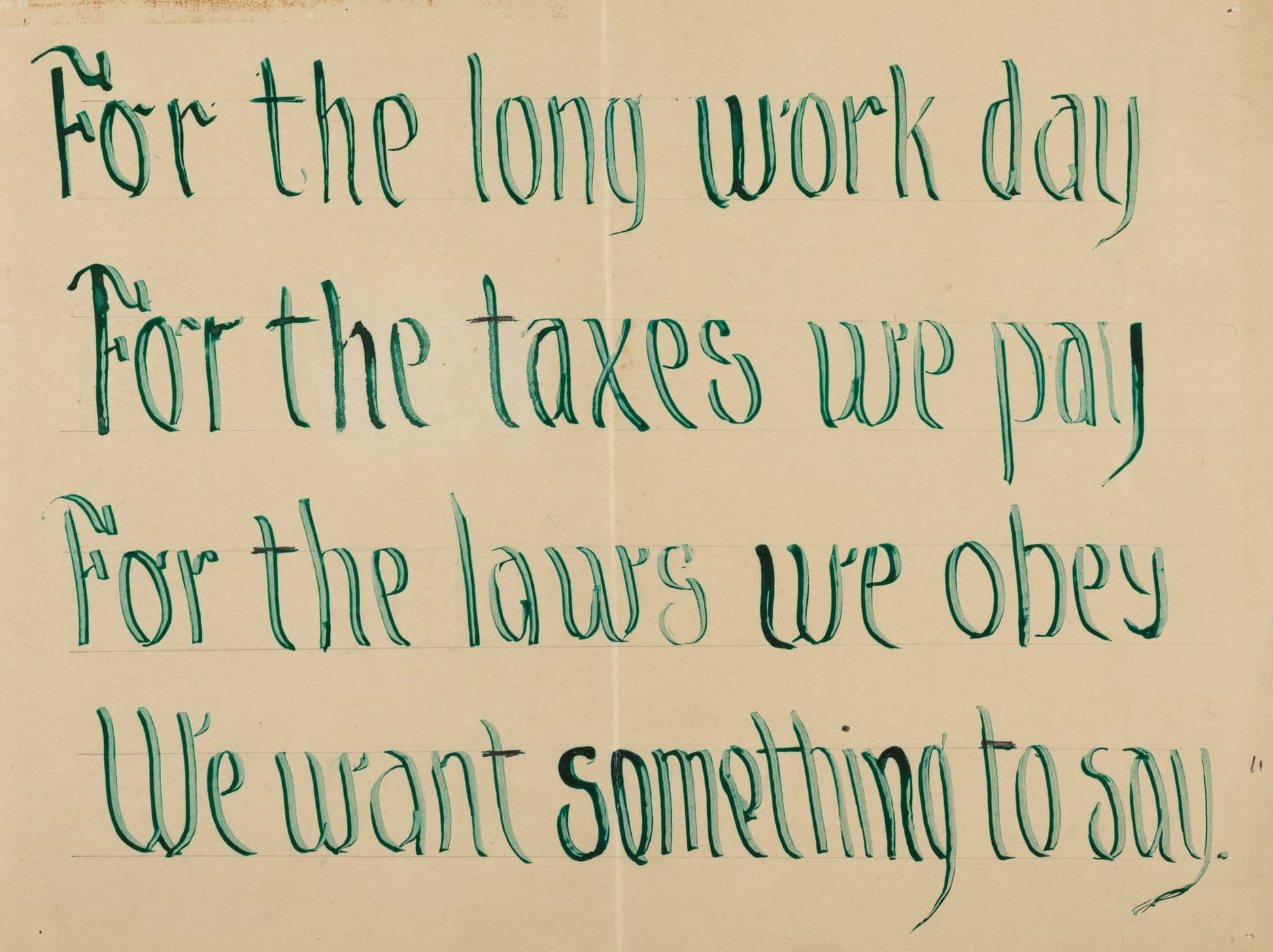
With the passing of the Fourteenth Amendment, some advocates for women's suffrage saw a plan of action. In section 1, the amendment reads: "No State shall make or enforce any law which shall abridge the privileges or immunities of citizens of the United States," and no state could make a law depriving "any person of life, liberty, or property, without due process of law." Using the language of this new amendment, women believed they could use the Constitution to their advantage. They argued that they were citizens of the United States, and the privileged right to vote could not and should not be denied. Where some continued to argue orally in speeches or used the written word to fight, others began to act.
MARILLA AND NANNETTE
In 1870, Marilla Ricker attempted to register to vote in New Hampshire, turning rhetoric into action.
Born in 1840 in New Durham, New Hampshire, Ricker’s parents encouraged a life of education and taking a role in current affairs. She often accompanied her father, Jonathan Young, to town meetings and courtrooms. Her only brother’s death during the American Civil War brought forth her "first real sorrow," and she committed her time and energy to the Union cause. In 1869, Ricker attended the first National Woman Suffrage Association convention, organized by Elizabeth Cady Stanton and Susan B. Anthony. Swayed by the speeches of the convention, becoming an advocate for women’s rights (most notably suffrage) became Ricker's life's work. In December of 1870, a hearing before the U.S. Judiciary Committee of the House of Representatives was held on the question of women’s suffrage. The argument before the committee was that no amendment was necessary: "equality was already granted to both sexes under the constitution as it stood." According to Ricker, "[The argument] was considered by constitutional lawyers to be the most able document ever presented to Congress." It was recommended after the hearing that Congress should pass a declaration "forever settling the disputed question of woman suffrage."
They never did, so Marilla Ricker decided to act.
Following the hearing in Washington D.C., Ricker went back home to New Hampshire and appeared before her selectmen telling them to put her name on the checklist to vote. "I [am] a law-abiding, tax-paying citizen and wished to vote," she told the selectmen. She left with a written argument she believed "unanswerable". When she returned three days later at the polls, her name was not on the checklist. Nonetheless, she dropped off her ballot and continued handing in a ballot for the rest of her life. Marilla Ricker is often referred to as the first woman in United States history to vote, though women had voted in the western territories (not yet official states) where pockets of exceptions existed. She later wrote, "No man, be he priest, minister or judge, shall sit upon the throne of my mind and decide for me what is right, true or good."
In 1871, Nannette Gardner voted in an election in Detroit, Michigan. Gardner was a widow (as was Ricker) and thought she deserved to vote because she had no husband to represent her. On April 3rd, 1871, Nannette Gardner arrived at her local polling place in Detroit. She arrived by carriage around 10:30 a.m., accompanied by her son and two other women. Two weeks prior, Gardner convinced the local officials to register her name so she could vote. When she arrived on the 3rd, Gardner carried with her a “vase of flowers and also a prepared ballot, which she had decorated with various appropriate devices”, according to The Detroit Advertiser. The polling officials checked her name, confirmed she was on the list, and her ballot was “received and deposited in the box” without argument. After voting, she handed the officials the vase of flowers and also a picture “representing an immense crowd of women in darkness, just entering the portals of an arch inscribed Liberty." In the picture, gates underneath the arch were held open by "Columbia and the Goddess of Justice," who held a scroll inscribed "The Fourteenth Amendment".
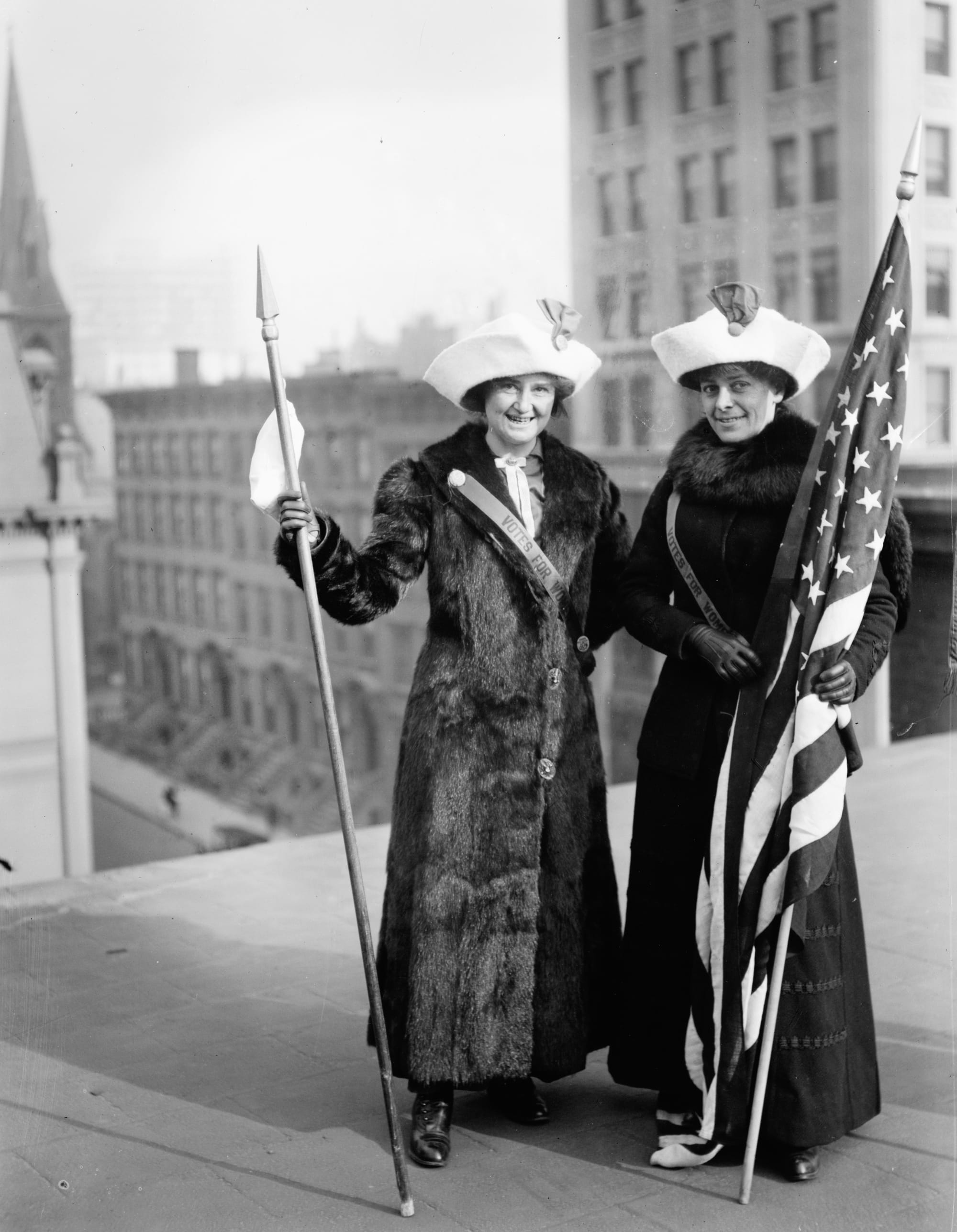
Nannette Gardner believed, like many others, that women were citizens under the definition of the Fourteenth Amendment. After her vote was cast, and a minor attempt at a "hurrah" garnered little enthusiasm, Gardner and her party left. "Matters resumed their usual appearance thereabouts," the Advertiser noted. The New York Herald later that year published that Gardner had voted again in another local election and “had no difficulty in doing so." Though “other Detroit ladies were not, however, as successful." The Chicago Tribune reported that Gardner had voted in Detroit and “Mary Wilson voted in Battle Creek." Gardner’s action in the greater-Detroit area convinced others to utilize their constitutional right to vote. In a letter published in The Detroit Post, Gardner wrote, "It is difficult for me to appreciate that so simple an event as a woman expressing a choice among a few candidates for office should have caused such a commotion and made me 'suddenly famous.' Tens of thousands of vicious, ignorant and worthless men do the same thing yearly without a word of comment."
These stories are evidence that some women, through luck and persuasive arguments, were able to vote. They are scattered stories throughout local precincts in the United States. These experiences were too few to rally pubic opinion and did not change much of anything. Women's suffrage remained a local concern. The actions of Ricker and Gardner were small stories, nationally, and failed to capture the attention of the public and lawmakers. What was needed to really change voting laws, to no fault of Ricker and Gardner, was a bigger name and a direct challenge to existing laws. Suffrage needed to become a legal battle. The year following Gardner’s vote in Detroit, a woman in Rochester, New York and in St. Louis, Missouri, attempted to vote and brought with them a larger plan of action.
THE TRIAL OF SUSAN B. ANTHONY
In Rochester, New York, a leader in the women’s suffrage movement decided that action was the best foot forward. Susan B. Anthony read the morning paper in November of 1872 and hatched an idea. Inside the paper, a notice enticed Anthony: "Now Register! To-day and to-morrow are the only remaining opportunities." Tired of all the inaction happening in the state and national governments, Anthony listened to her paper’s advice; she decided to register to vote.
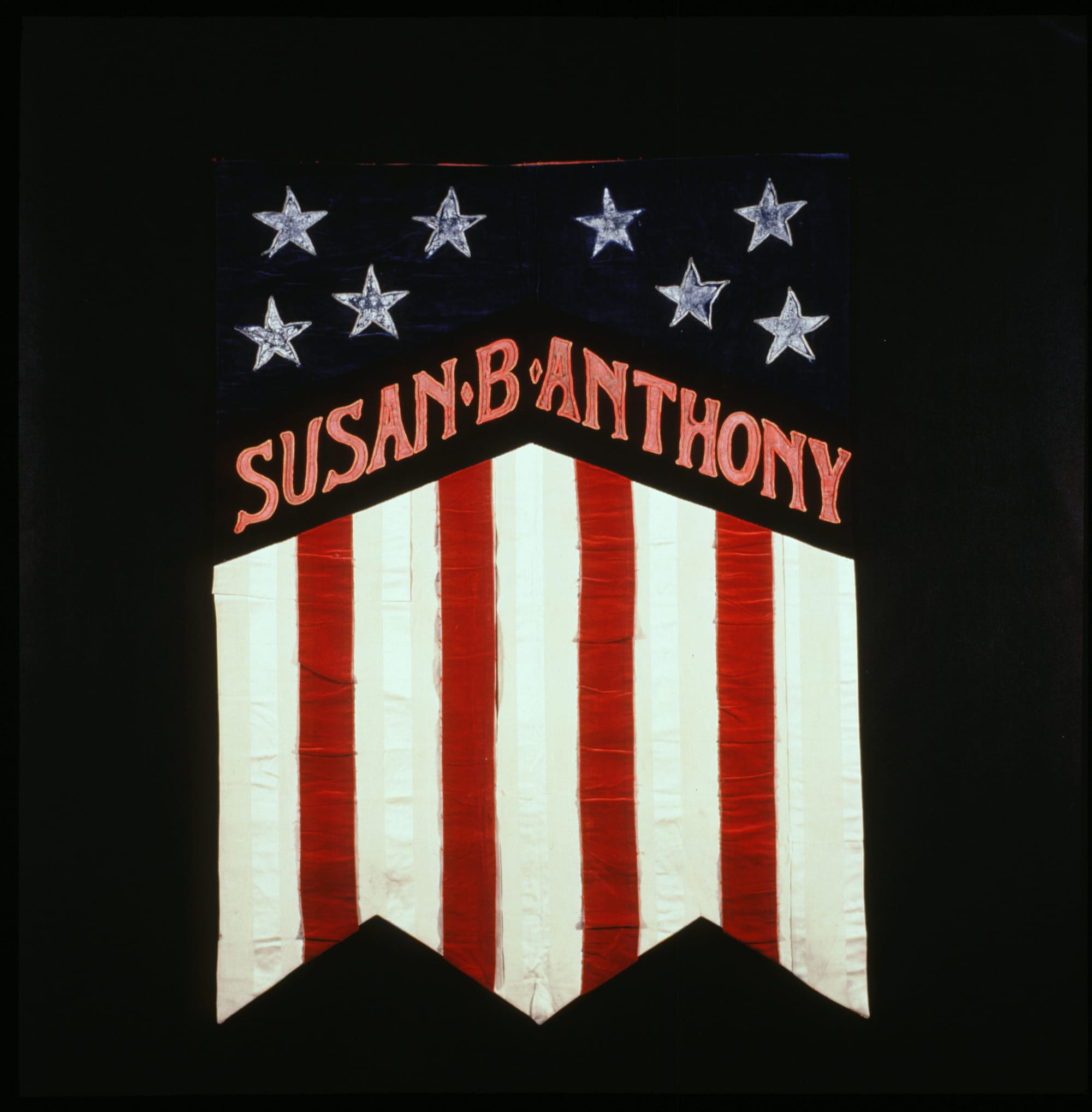
Born in 1820 in Adams, Massachusetts, Susan B. Anthony quickly yearned to change her country. Before reaching the age of twenty, she collected anti-slavery petitions and became a state agent in New York for the American Anti-Slavery Society. In 1851, she met Elizabeth Cady Stanton and the two quickly became friends. For the next fifty years, the two tirelessly fought for women’s rights – atop the list was the right to vote. By the 1870s, Anthony was a celebrity figure in the movement, known for her speeches and her newspaper, The Revolution. Between 1871 and 1872, over 150 women tried to register to vote, with a select few (like Gardner) actually being successful. Anthony believed she should try too, especially with the newly adopted Fourteenth Amendment proclaiming citizens were entitled to the “privileges” of being a citizen. She believed a “privilege” included the right to vote.
On November 1, 1872, Anthony and her three sisters entered their local barbershop in hopes of registering to vote. The four were part of a larger group Anthony helped organize in Rochester to register. Anthony approached the election officials and asked them to register her and the other women who came. The officials refused the request. Anthony argued using the Fourteenth Amendment and then threatened to sue. "If you refuse our rights as citizens, I will bring charges against you in Criminal Court," she said and added, "I know I can win." The election officials debated with their supervisors on what to do. Fearful of any legal repercussions, Anthony and thirteen other Rochester women were registered to vote. E.T. Marsh, one of the officials there that day, later confessed to his internal struggle: "We were expected...to make an infallible decision, inside of two days, of a question in which some of the best minds of the country are divided."
Election Day fell on November 5, 1872. In Rochester, New York, Susan B. Anthony and eight other women voted "in the first district of the Eighth Ward." Among those with Anthony were three of her sisters: Guelma, Hannah, and Mary. After placing her ballot in the ballot box, Anthony exploded with joy. She wrote to Elizabeth Cady Stanton that evening, "Well I have been & gone & done it!! --positively voted the Republican ticket." She hinted at what was just around the corner: "We are in for a fine agitation in Rochester."
Thirteen days later, on November 18th, a tall, nervous man approached the Anthony home. Upon knocking on the front door, one of Anthony’s sisters answered the door. The man explained he was looking for her sister, Susan. Anthony’s sister told the man she was inside. Once called for, Susan B. Anthony entered the parlor. The man was a deputy United States marshal, bumbling at informing Anthony that she was under arrest. Anthony was caught off guard. She never thought the United States would prosecute her for the act of voting. After a momentary thought, Susan B. Anthony said, "Is this your usual method of serving a warrant?" The marshal produced the warrant for her arrest. Satisfied, Susan B. Anthony informed the marshal she was not properly dressed to head down to the courthouse. "Oh, just come on down to the courthouse when you are ready," the marshal said. He did not want to offend the suffragette. She told the marshal to wait in the parlor while she changed her clothes. When Anthony returned, she stuck out her hands, knowing criminals were handcuffed. The marshal told her he would not handcuff her; the two of them made their way to the courthouse.
Anthony ended up at the office of U.S. Commissioner William C. Storrs. Upon arriving, Anthony learned that authorities arrested the voting officials and the other women who voted with her. Authorities questioned Anthony about how and when she registered to vote. Recounting the event, Anthony made note that the room she was questioned in was the "same dingy little room" where "fugitive slaves were examined and returned to their master" – equating both as attacks on personal liberty. Susan B. Anthony was charged with "unlawfully" voting as she was a "person of the female sex."
In the four months between her hearing and the trial, Susan B. Anthony spoke at twenty-nine post-office districts in Monroe County (the county of Rochester, New York). In her speeches, she argued that natural law and the “Reconstruction Amendments” gave women the right to vote. "I not only committed no crime", Anthony usually began her speeches, "but, instead, simply exercised my citizen’s right." Toward the end of her speeches, she implored judges to "render true and unprejudiced opinions of the law." This worried Richard Crowley, U.S. attorney and the prosecutor of Anthony’s case. Crowley convinced Judge Ward Hunt to move the trial out of Monroe County, as Anthony had "prejudiced potential jurors." The trial was moved from May to June and was now to take place in Ontario County, south of Monroe County.
On the eve of her trial, the U.S. Supreme Court’s decision in Bradwell v. Illinois protected Illinois' law (and state law in general) prohibiting women from becoming lawyers. Their narrow definition of the Fourteenth Amendment worried Anthony and her lawyers. Nonetheless, Anthony held firm on her belief that the Fourteenth Amendment promised women the right to vote.
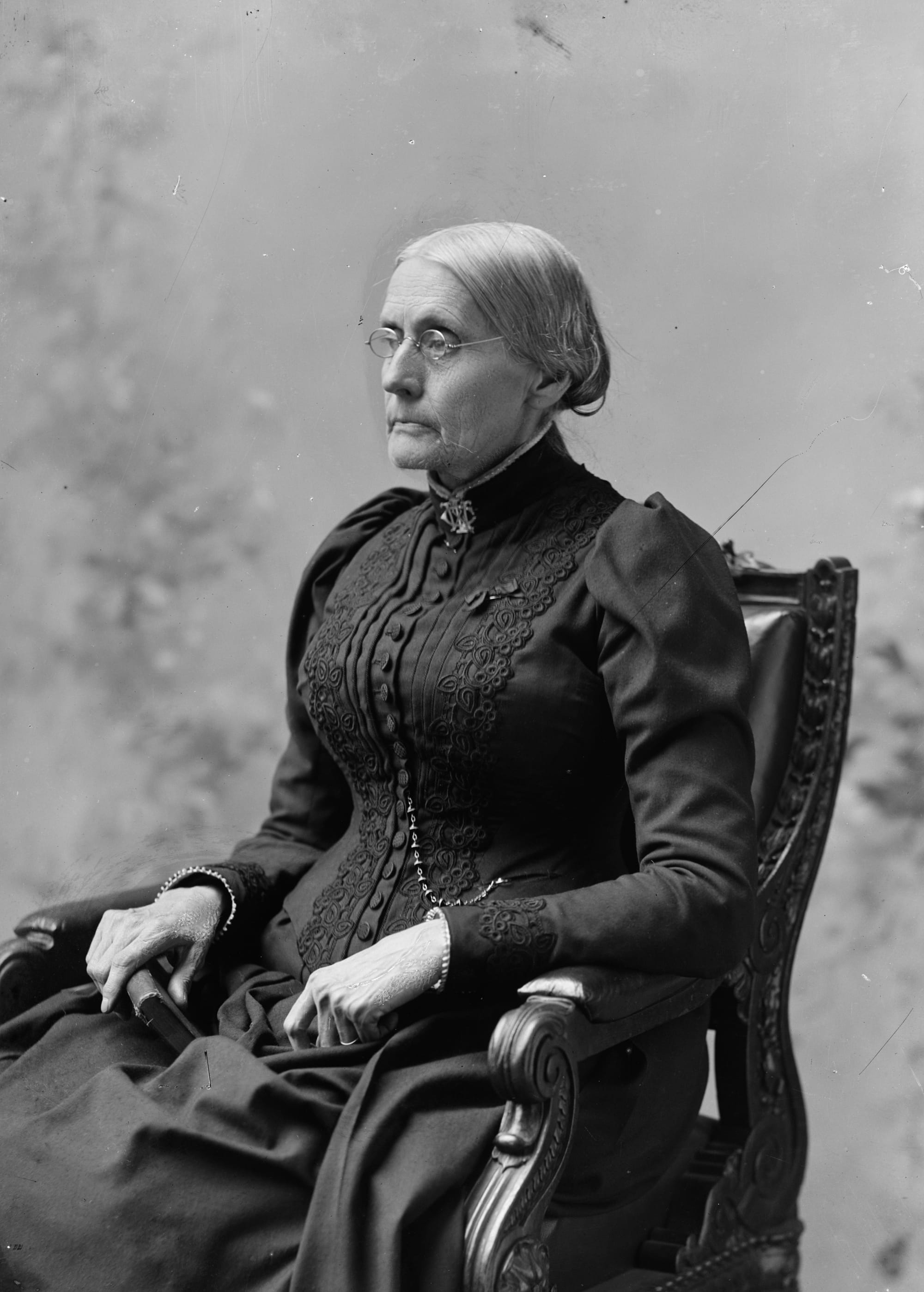
On June 17, 1873, the first day of the trial, the second-floor courtroom in Monroe County in New York was filled with spectators. Among the spectators was Millard Fillmore, a former president. Anthony's celebrity status made this a major news event. A wrinkle to this case was the fact that Anthony was being tried for violating the Enforcement Act of 1870 (illegal for one to vote in a congressional election if not qualified under a state’s law) – making this case a federal one as opposed to a state trial. Also, Judge Hunt presided alone, moving away from the norm of two judges being present for federal criminal cases.
The prosecution argued that the Fourteenth Amendment did not protect the right to vote, only "life, liberty and property." Children, the prosecution argued, were citizens, but no one was advocating for their right to vote. Anthony’s defense remained firm on their belief that the Fourteenth Amendment protected her right to vote. After their arguments, Judge Hunt read from a note he (allegedly) wrote before the trial had begun, "The Fourteenth Amendment gives no right to a woman to vote, and the voting by Miss Anthony was in violation of the law," Hunt read aloud. Then he offered his judgment: “Upon this evidence I suppose there is no question for the jury and that the jury should be directed to find a verdict of guilty”. Anthony later that night wrote in her diary that the trial was “the greatest judicial outrage history has ever recorded!”
Judge Hunt sentenced Susan B. Anthony to pay a $100 fine, to which Anthony responded she would never pay a cent of his "unjust penalty." Thinking ahead, Judge Hunt ended the trial by stating she would not be taken into custody "until the fine is paid." If jail came first, Susan B. Anthony could have taken her case to the U.S. Supreme Court by filing a writ of habeas corpus. However, by saying she had to pay her fine first, Anthony could not take her case any further. Using this case to significantly change the Constitution withered away. After her trial, no "serious effort" was made by the government to collect the fine. Even with her trial over, Anthony saw the opportunity to turn her affair into national news– 3,000 copies of the trial proceedings were distributed among politicians and activists. One newspaper noted, "Miss Anthony is still ahead. She has voted and the American constitution had survived the shock."
Susan B. Anthony never paid her fine, and her hope that her trial would significantly change the law in the United States was dead. However, another woman, halfway across the country, was taking the torch Anthony lit and decided to run with it all the way to the United States Supreme Court. All eyes turned to Virginia Minor.
Minor v. Happersett
A month before Anthony read the voting notice in her local paper, Virginia Minor tried to register to vote. Minor, born in 1824, was a Virginian. In 1843, she married a lawyer and her cousin, Francis Minor. Twenty years later, and throughout the American Civil War, Minor assisted at local hospitals and was an active member of the St. Louis Ladies’ Union Aid Society. Once the war was over, she became active in the women's suffrage movement, devoting the rest of her life to the cause. Leading the movement in Missouri, she maintained that the Fourteenth Amendment allowed women the vote. "I believe that the Constitution of the United States gives me every right and privilege to which every other citizen is entitled; for while the Constitution gives the States the right to regulate suffrage, it nowhere gives them power to prevent it," Minor opined in her speech at the Missouri Woman Suffrage Convention in October of 1869. Minor and her husband wrote and circulated pamphlets informing readers of their belief that women have the right to vote, and that the inaction in Missouri was maddening.
On October 15, 1872, Virginia Minor tried to register to vote. Reese Happersett, the sixth district registrar in St. Louis, refused her request due to the fact that she was a woman. After being refused, Minor decided to sue. Because she was a woman, Minor could not bring a suit in her name; Francis Minor represented his wife. In court, Minor argued (in a written argument) that women were U.S. citizens and the Fourteenth Amendment does not give the states the power to prevent a citizen from voting. Similar to Susan B. Anthony's case, Minor used the legal argument of the Fourteenth Amendment protecting a woman's right to vote. However, Minor’s case differed from Anthony’s because Minor’s was a civil suit, not a criminal case. If the state court failed to rule in Minor’s favor, her path to the Supreme Court was much easier through the appellate courts. Despite losing in Missouri’s Circuit Court, the momentum shifted to Virginia Minor and her case. The next step felt obvious: the Minor’s appealed to Missouri’s Supreme Court.
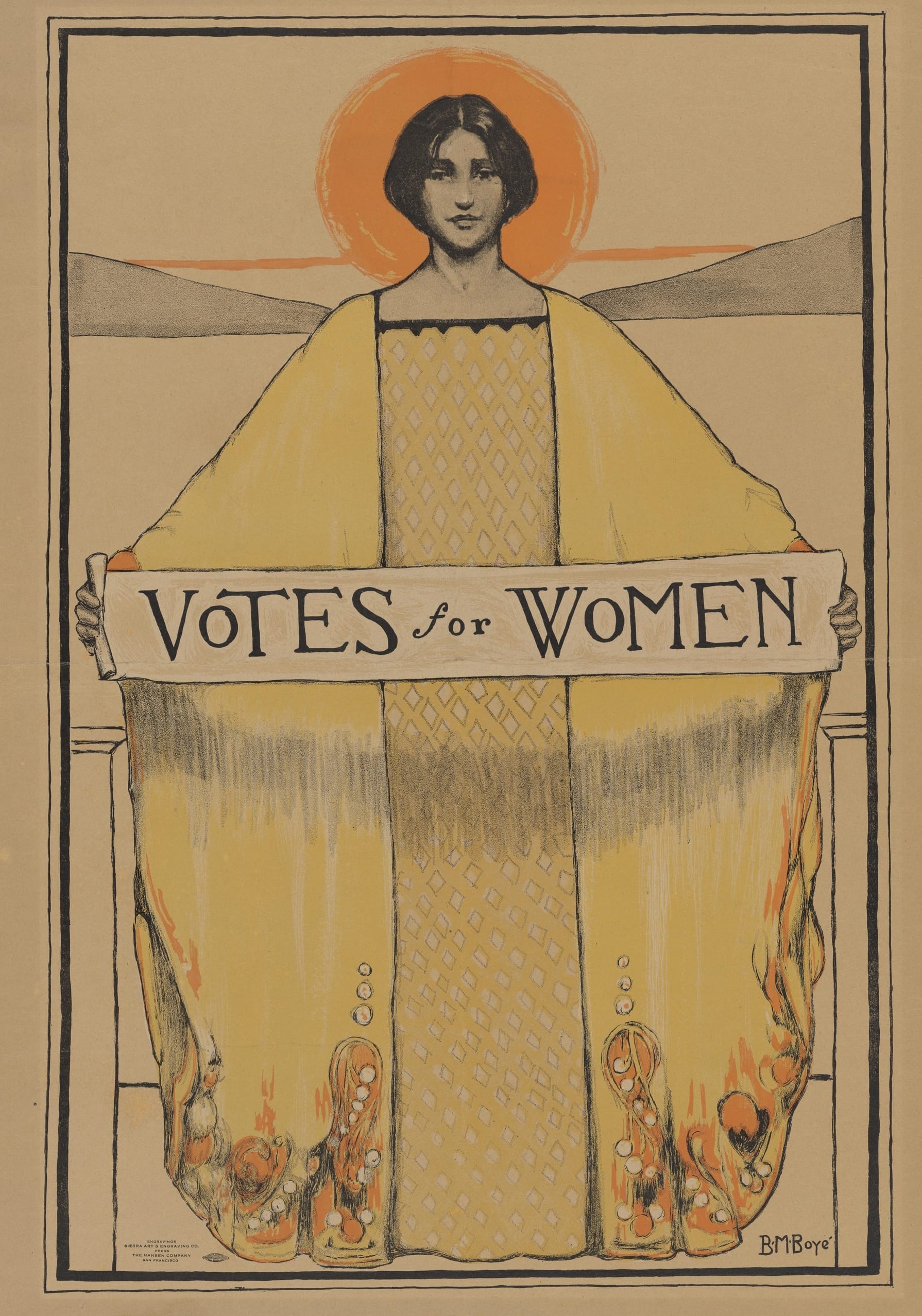
On May 7th, 1873, the Missouri Supreme Court heard the arguments for the case and ultimately ruled in favor of Missouri. Their argument upheld the belief that the intention of the Fourteenth Amendment was to give citizenship to former slaves and not force changes in state law. The Minor’s were now 0 for 2 in the courts, but that did not stop the couple from continuing to argue their case and taking their case to the United States Supreme Court. Minor v. Happersett was argued on February 9th, 1875. Francis Minor presented their case. He argued that the denial of suffrage was just "practice rather than law." Minor stated that women voted in New Jersey between 1787 and 1807, where a state constitution did not mention women's suffrage. He also argued that women’s suffrage was what the framers of the Constitution had in mind all along. It was an accepted practice. "It is impossible that this can be a republican government, in which one-half the citizens thereof are forever disenfranchised," he argued. The State of Missouri did not send counsel to argue its case. They sent a three-sentence demurrer (or objection) to justify their decision.
The U.S. Supreme Court, headed by Chief Justice Morrison Waite, unanimously upheld the decision by the Missouri Supreme Court: suffrage was not coexistent with citizenship. Waite, in his opinion, did agree that women were citizens. He wrote that they "did not need this amendment to give them that position." However, the federal court stood firm on the idea that it was up to the individual states to decide which citizens could vote within their borders. The Court also made clear that the Fourteenth Amendment does not explicitly state that suffrage is a right. "It is clear, therefore, we [the Court] think, that the Constitution has not added the right of suffrage to the privileges and immunities of citizenship as they existed at the time it was adopted," Waite wrote in his opinion. The hope for a federal solution for women's suffrage, with the Fourteenth Amendment, in the mid-1870s extinguished with Waite’s opinion.
Despite the active efforts of women throughout the country arguing for women's suffrage, while some actually trying to vote, governments repeatedly clamped down and rejected these efforts. While the outcome was far from what Susan B. Anthony or Virginia Minor yearned for, their efforts acted as kindling for the next generation to keep up the fight until women's suffrage and equal rights were the law of the land.
EPILOGUE
The fight waged on. Leaders of the suffrage movement turned to trying to convince state legislatures to change their laws. It was clear in Waite’s opinion that the federal government would not comment on the rights of women. Changing the law to make the language clear became the focus. The movement shifted from a top-down approach to a bottom-up approach. Women's rights associations throughout the country began changing the laws locally and used that momentum to get a national amendment ratified, in hopes of forever ensuring that women had the right to vote. Those efforts, ultimately, proved successful. On August 18, 1920, the nineteenth amendment to the United States Constitution was ratified. It promised: "The right of citizens of the United States to vote shall not be denied or abridged by the United States or by any State on account of sex."
Marilla Ricker's association with politics did not stop at trying to vote. In 1897, she applied to become the ambassador of Colombia, but her application was denied. "Whether I secure the appointment or not," she said of her application for the ambassador position, "I have established a precedent in asking for it." Thirteen years later, in 1910, she applied to run for governor of New Hampshire. She was deemed ineligible because she did not have the right to vote. Nonetheless, Marilla Ricker received 4 votes. Ricker died in 1920, days after the first Election Day when women were allowed to vote after the ratification of the nineteenth amendment.
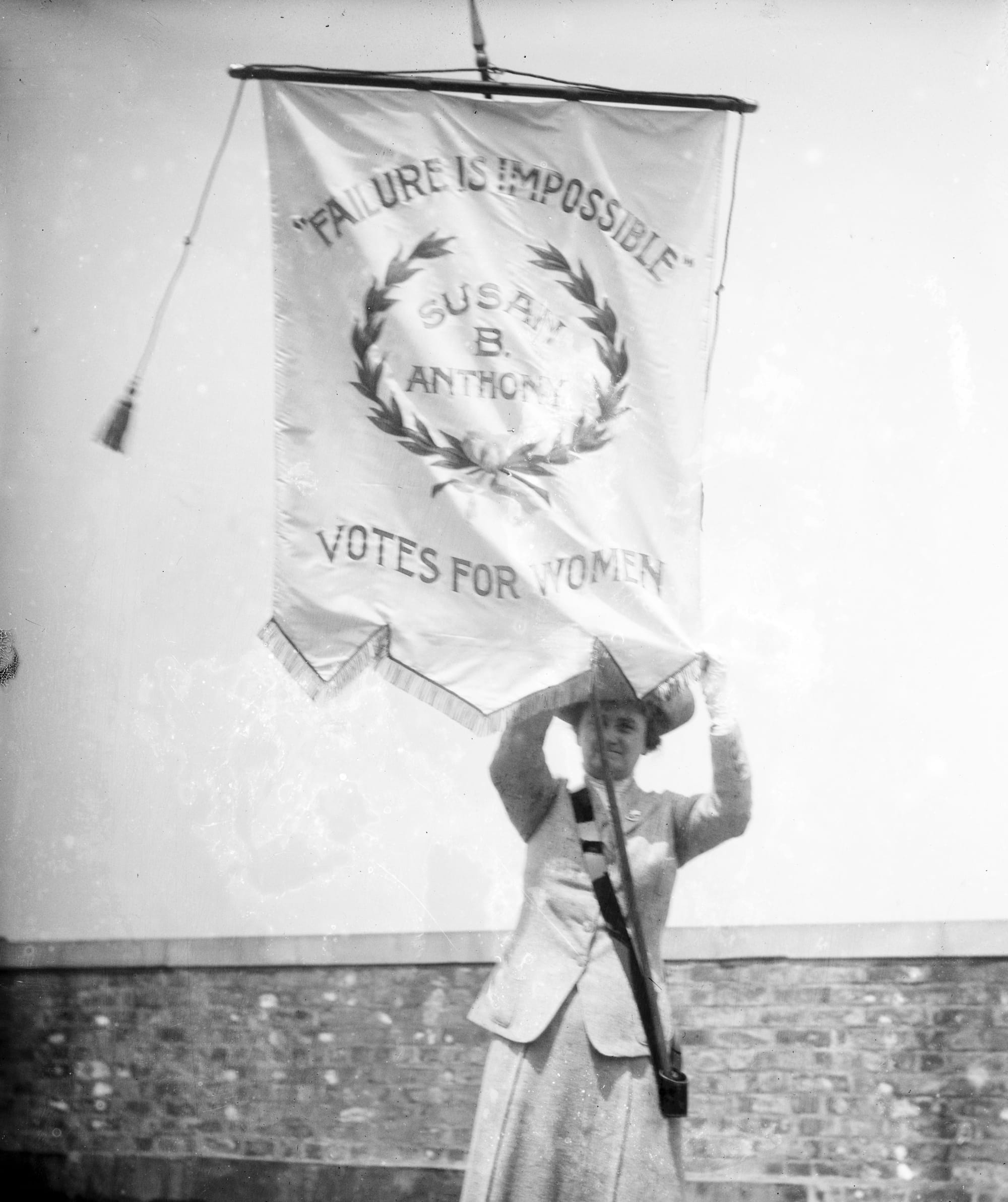
Susan B. Anthony and Virginia Minor, likewise, continued to fight for women’s suffrage. Minor appeared before a U.S. Senate committee on women's suffrage in 1889 and continued to fight for laws to change at the state and federal levels. She died in 1894 and left $1,000 in her will for Susan B. Anthony for "the thousands she has expended for women." Anthony continued to travel, give speeches, and try to convince lawmakers that women’s suffrage was a constitutional right. In 1906, she died, ultimately never seeing women legally given the right to vote. Days before her death, at a belated birthday celebration, Anthony spoke about the continued effort to obtain the right for women to vote. Her sentiment for women that day continues to resonate today, reminding women who are fighting for equal rights that with their voices together will lead to success, "There have been others also just as true and devoted to the cause — I wish I could name every one — but with such women consecrating their lives, failure is impossible!"
Note: This essay was previously published on a personal blog in 2022 that no longer exists. It is re-shared here in full.